Insects
Researched and illustrated by The Island School's kindergarten and first graders.
Hover over each illustration to learn more.
Tap each illustration to learn more.

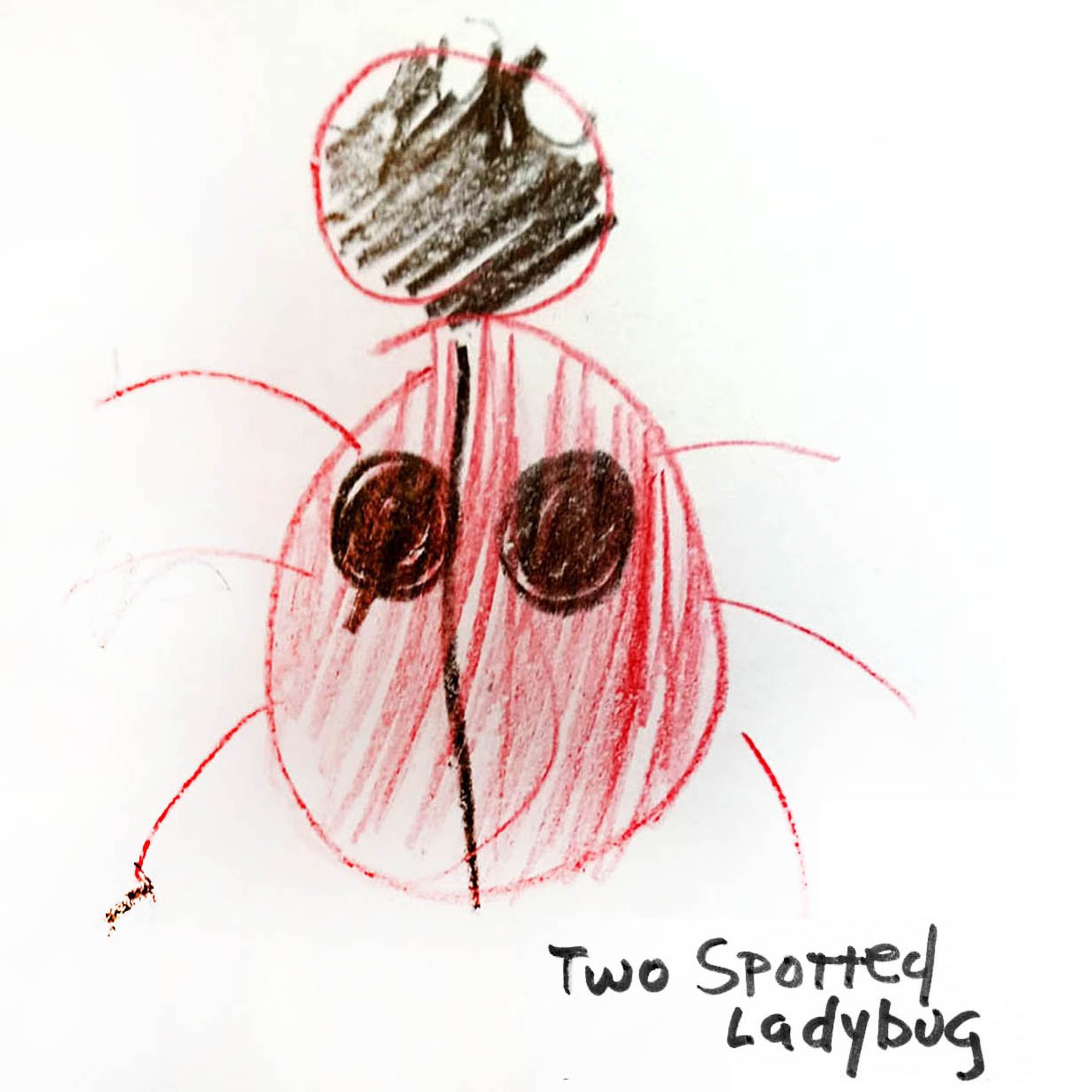
Two Spotted Ladybug
by Rain, Olivia and Linden
The Two-Spotted Ladybugs have black heads and thoraxes. Their elytra (wing covers) are orange with one black spot each. They lay clusters of yellow eggs on the underside of a leaf. The larvae appear in just a few days and look like teeny, tiny alligators. Their black bodies are long and soft with yellow or white spots. These insects are carnivorous, eating aphids and small insects. Birds are their most common predator along with frogs, wasps, spiders and dragonflies. They hibernate in the winter.
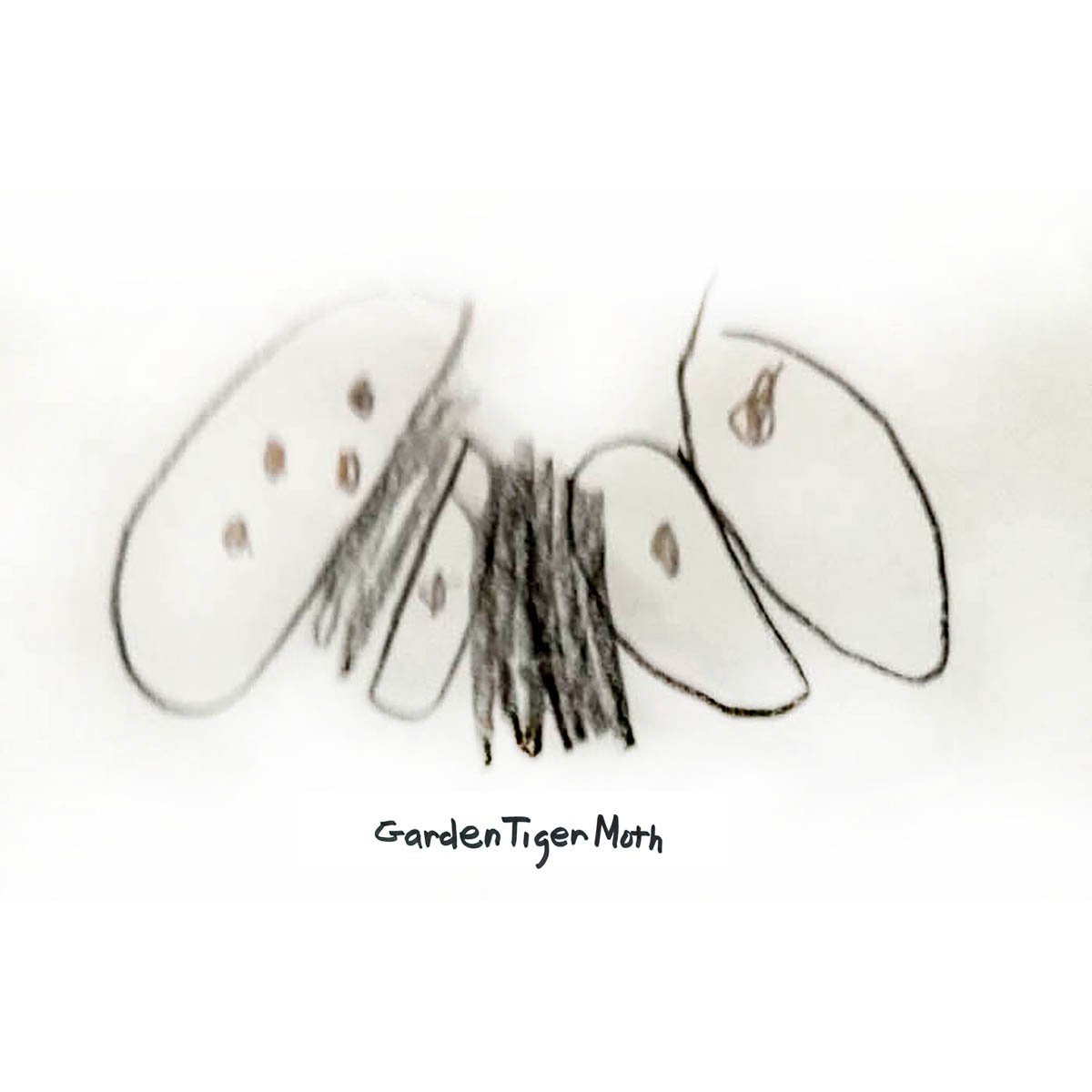
Garden Tiger Moth
by Asa, Marlo and Vivian
Garden Tiger Moths have dark wings with red or orange spots and white stripes. They like living in gardens, damp meadows, open woodlands and riverbanks. The adult moth lays eggs in July and August. During September and October, small, hairy caterpillars hatch and eat old pine needles to produce silk webbing. They stay in the larva stage over the winter. In April and May they continue feeding and expand their “tent”. Pupation occurs in June. Once out, the moths live only one or two weeks. They live longer as a caterpillar than a moth!
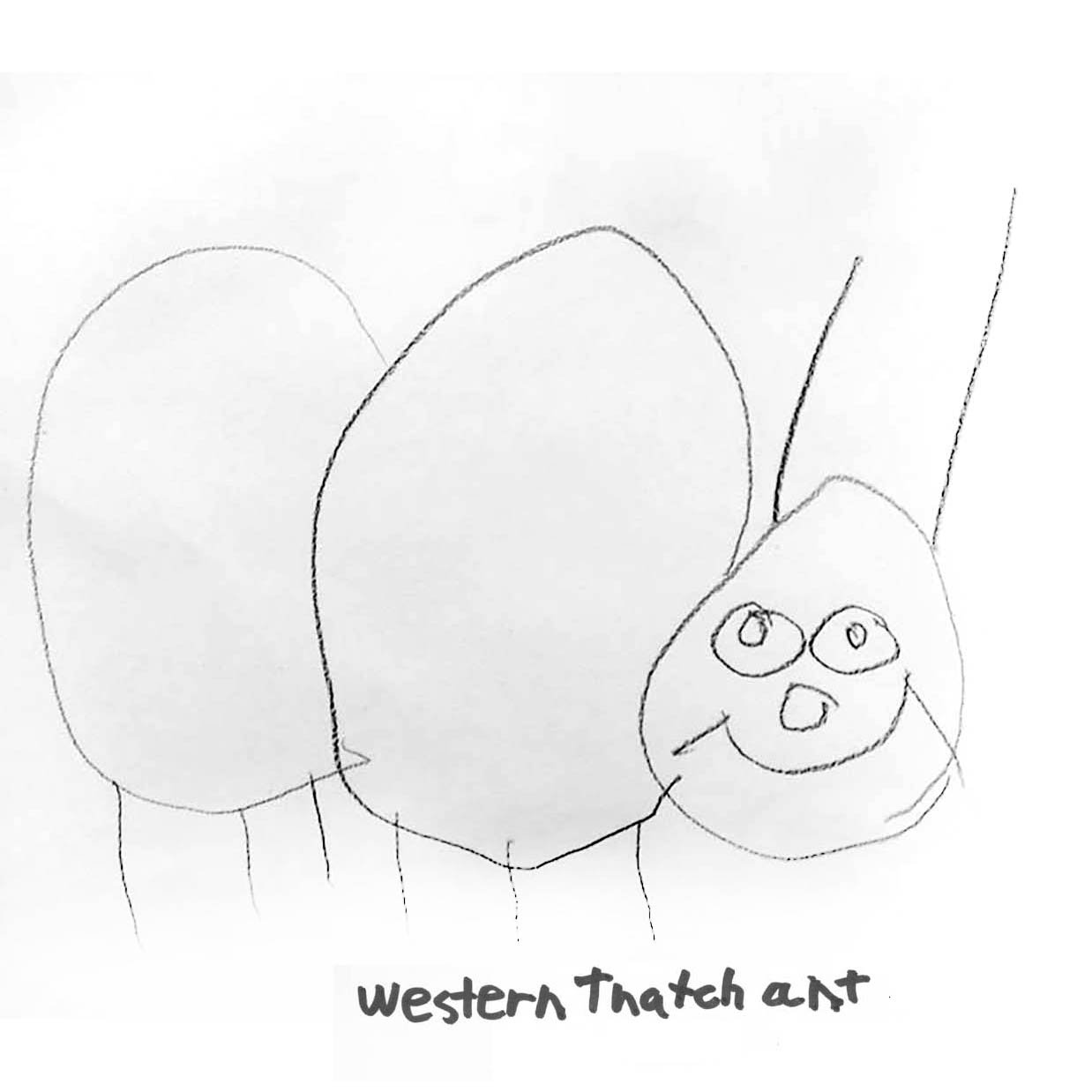
Western Thatch Ant
by Wylie, Tahvo and Hendrik
Western Thatch Ants have red heads and a black body. Their heads are large and they have powerful jaws. Their habitats are on the edges of meadows and coniferous forests. They build large thatched mounds with huge colonies. A mound can have tens or hundreds of thousands of worker ants! A mound can have many tunnels for travel and larger rooms for babies. The tunnels often go into the ground like a basement. Large groups of thatcher ants search for food during the day, foraging the ground, vegetation and tall trees for food. Some “farm” aphids for honeydew like people farm cows for milk. Their predators are crows, kingbirds and toads.
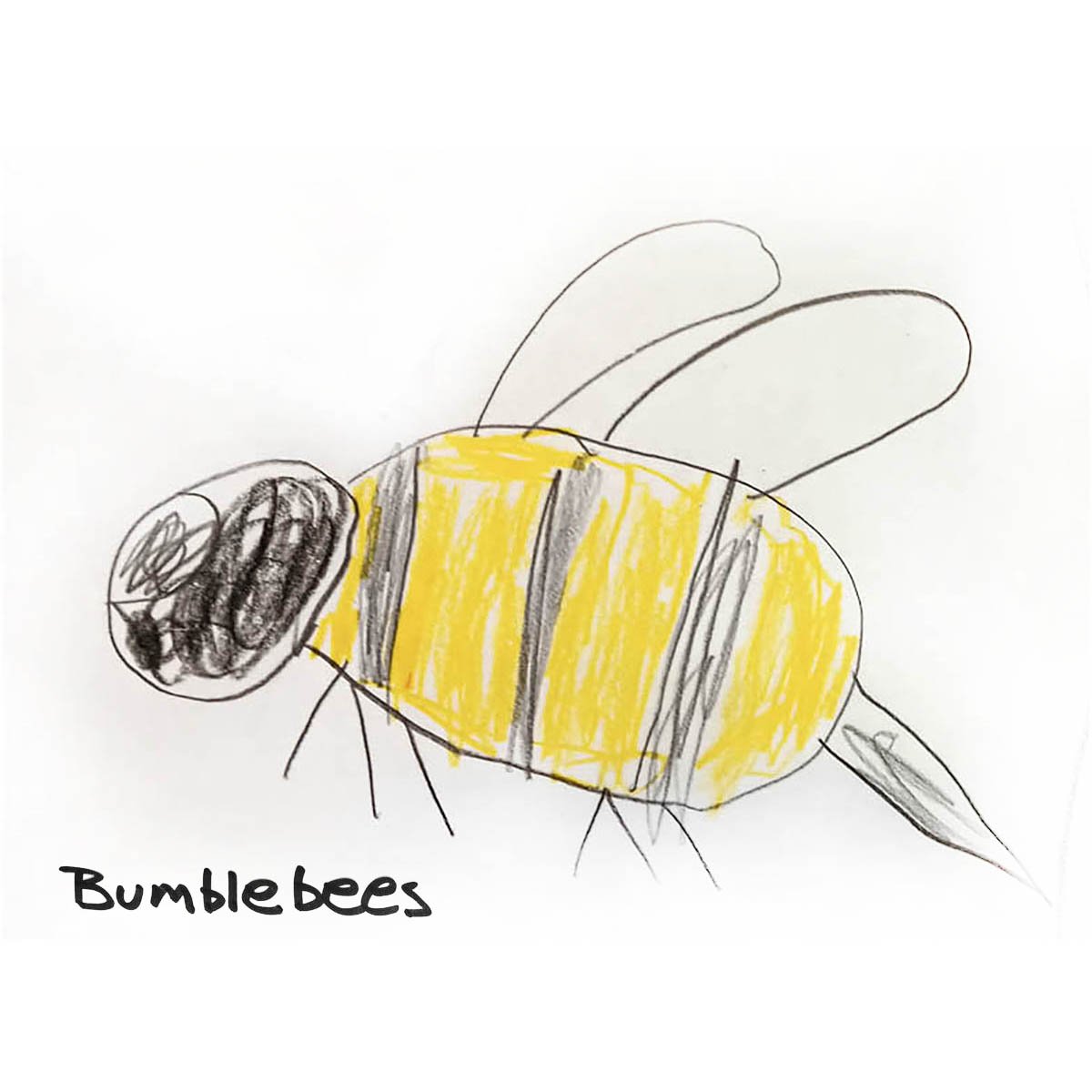
Bumblebees
by Lockie, Porter and Dash
Bumblebees are large, fuzzy insects with short, stubby legs. They are bigger than a honey bee but produce less honey. They are black with yellow markings. Their “skin” is covered with an oil that makes them rain-proof. Their wings, which beat 130 times per second, flap back and forth, NOT up and down! Bumblebees are important pollinators. Their large size and fast wings help flowers release pollen. They eat the pollen as well as nectar, then make honey by chewing the pollen and mixing it with saliva. Their nests are close to the ground, under wood piles or dead leaves. The biggest bumblebee in the hive is the queen who is the mother of all the bees in the colony. She sits on her eggs for two weeks. Sometimes she shivers to warm them up. Bumblebees do not die when they sting people.
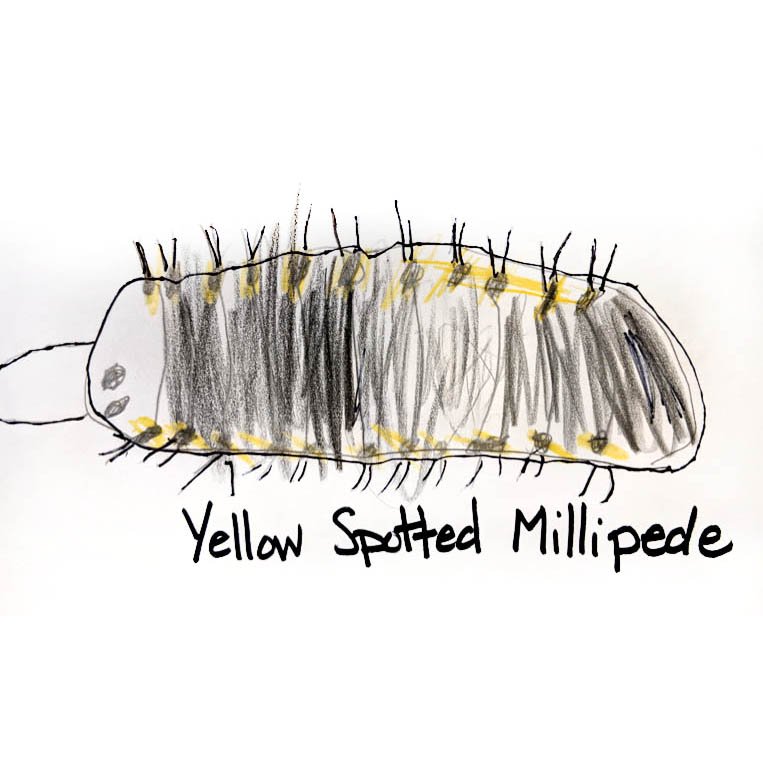
Yellow Spotted Millipede
by Guv and Henry
Length: 1.8 inches
Habitat: Forest with Douglas fir trees
Diet: Things that fall off of trees
The yellow spotted millipede lives on the forest floor. It eats fir needles and dead leaves. It makes cyanide to poison predators. If the predators try to eat them, they die. The yellow spots are a warning not to eat them. The yellow spotted millipede has segments that look like scales. It has two legs per segment, and is a shiny black color.
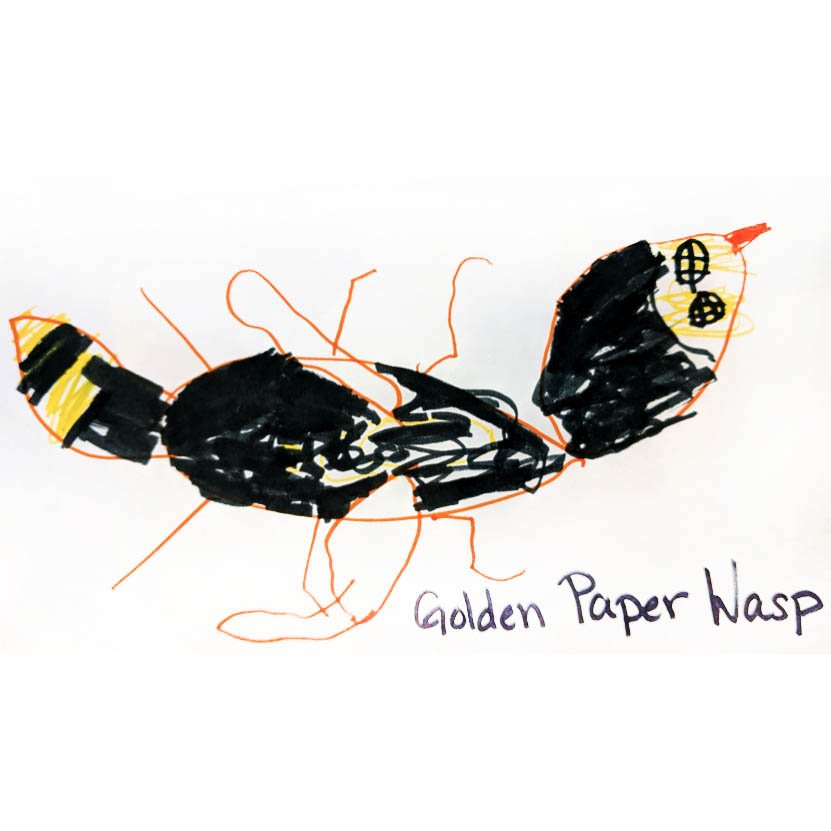
Golden Paper Wasp
by Maddie and Huck
Length: About 2 inches
Habitat: Trees and vegetation, eaves of houses
Diet: Insects and Nectar
The golden paper wasp makes its nest with bits of wood and plant that they mix with their saliva. They make a grey paper-like material to build their wasp nests. Their nests are open, with a lot of hexagon shapes. They all live together in big nests. Golden paper wasps will attack anyone who threatens their nest and are very aggressive.
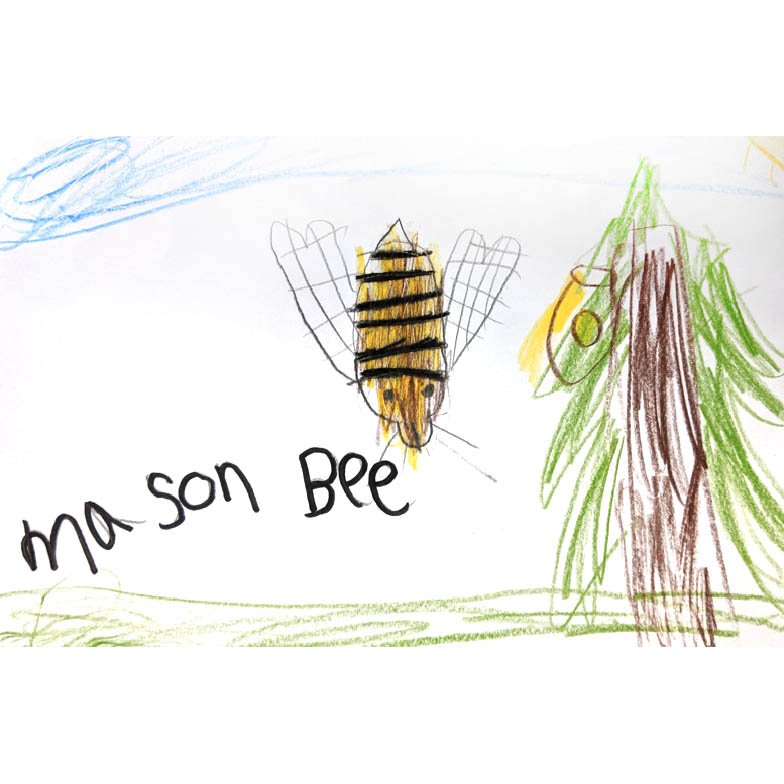
Mason Bee
by Aaron and Anna
Length: About ½ inch
Habitat: Forest and fields
Diet: Pollen and nectar
The Mason Bee does not make honey. It does pollinate the flowers. It lives on its own in tubes or tunnels. It lays eggs into the tube and makes walls of mud to separate them. It puts balls of pollen and nectar in the tube with its eggs for the larvae to eat. It can lay several eggs in a tube, separated by mud walls. The bee waits all winter in the tube until it is warm enough to hatch in the spring.
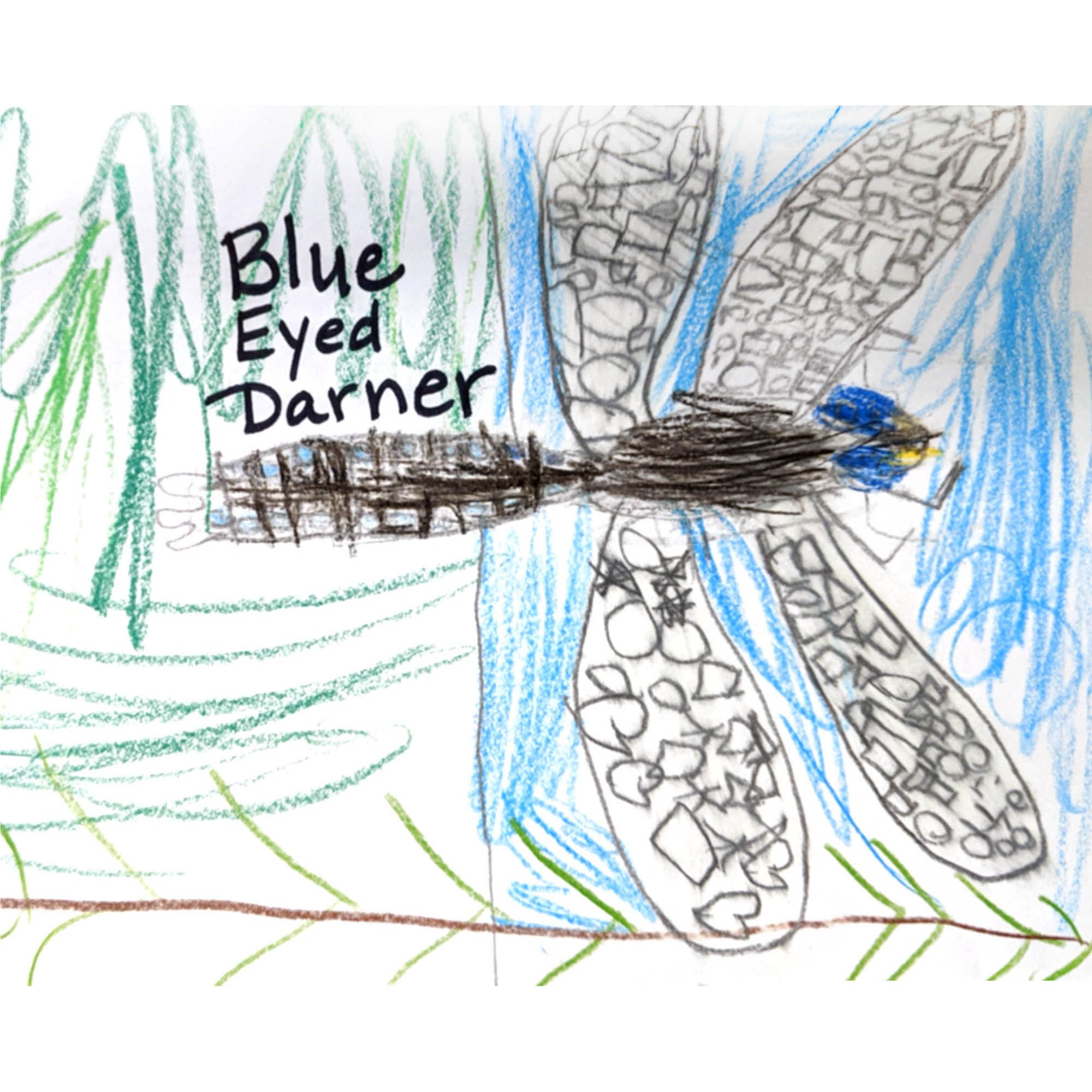
Blue-Eyed Darner
by Kennedy and Zuna
Length: 2.8 inches
Habitat: Widespread
Diet: Small fish, mosquito larvae, tadpoles
The Blue-Eyed Darner has black spots on its eyes. Female Blue-Eyed Darners lay their eggs underwater and above water on water plants. Blue-Eyed Darners live for a year, but they are only a dragonfly for 2 months. The rest of the time they live in the water.
Western Tiger Swallowtail
by Vita and Logan
Wingspan: About 3.3 inches
Habitat: Moist forest and shrubby regions
Diet: Nectar
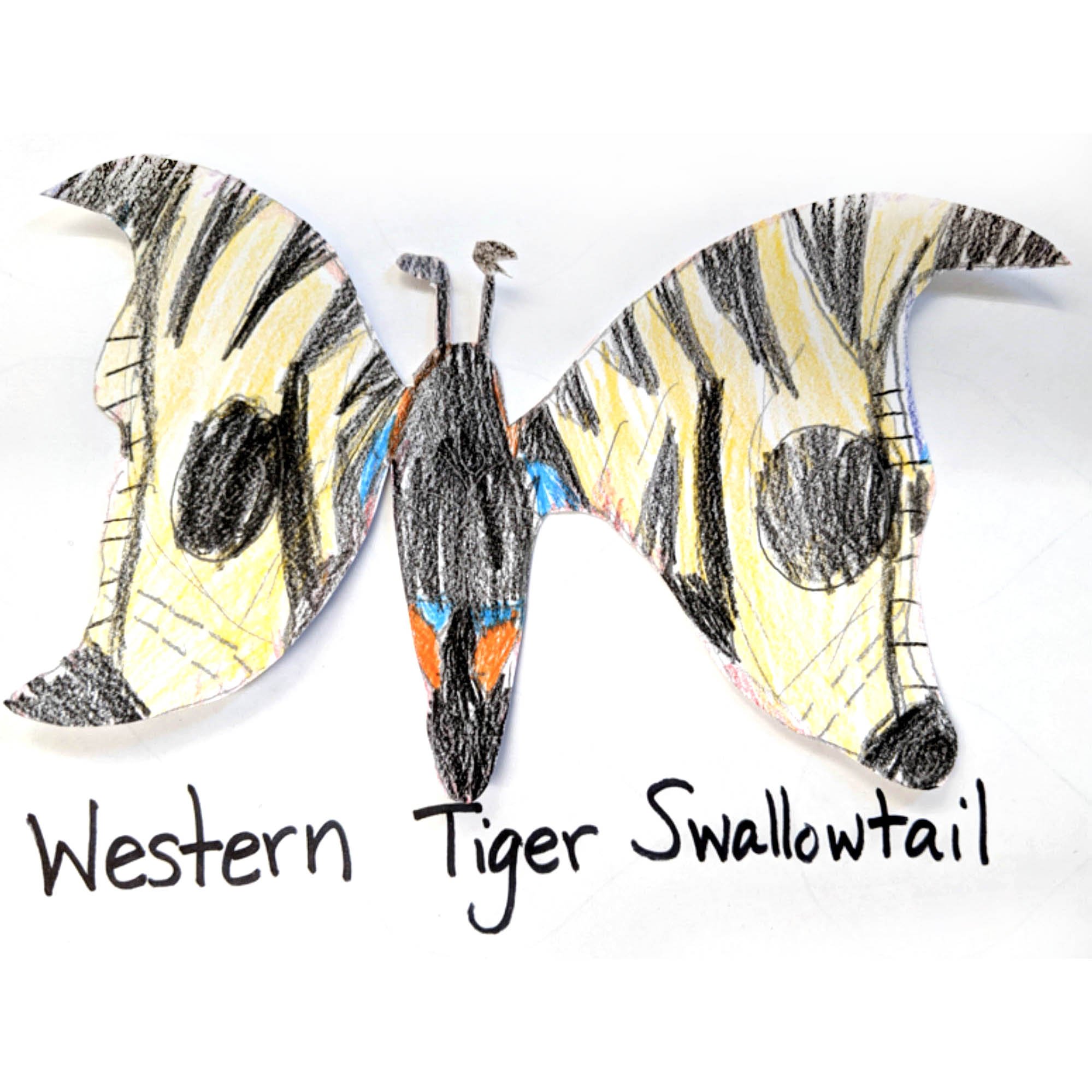
The Western Tiger Swallowtail is mostly yellow and black, with a bit of orange and blue. It drinks nectar and helps pollinate flowers. If its wing’s tail gets bit off by a bird, it can still fly. The female butterfly lays 100 eggs. She lays them one at a time on the bottom of leaves. They only live one or two weeks. The caterpillar is green.
Jewel Beetle
by Lorelei, Sophie and Isaac
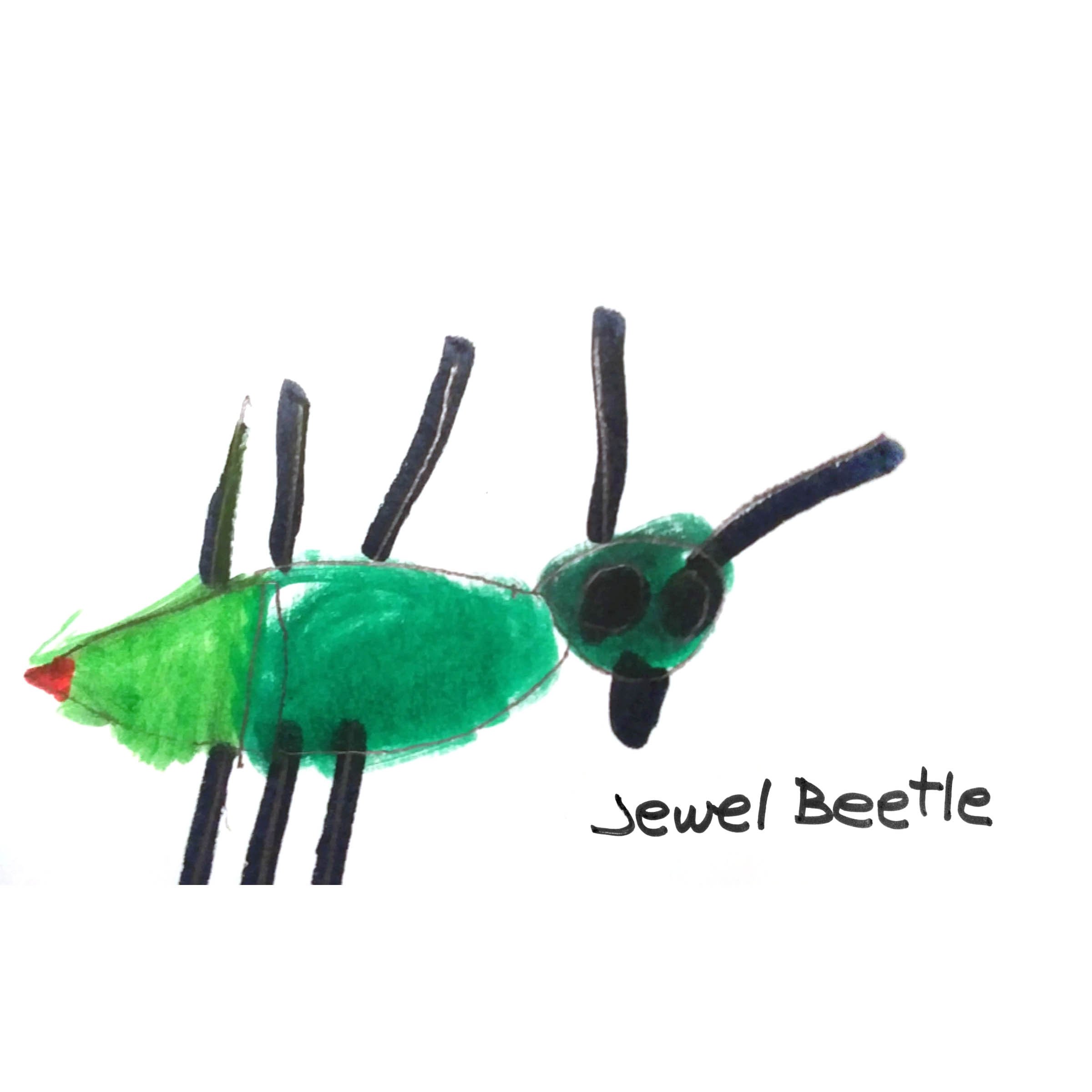
Jewel Beetles have a bright, iridescent carapace (shell). Their body is flat and oval-shaped. They have large black eyes and long antennae. The jewel beetle is an herbivore, feeding on leaves, nectar, stems, roots and grass. An interesting fact is that they can delay their larval development for many years if environmental conditions are adverse. Their carapace has been used for decorative purposes, including jewelry, in many cultures throughout the world.
Yellow Garden Spider
by Chelan, Dashel and Amelia
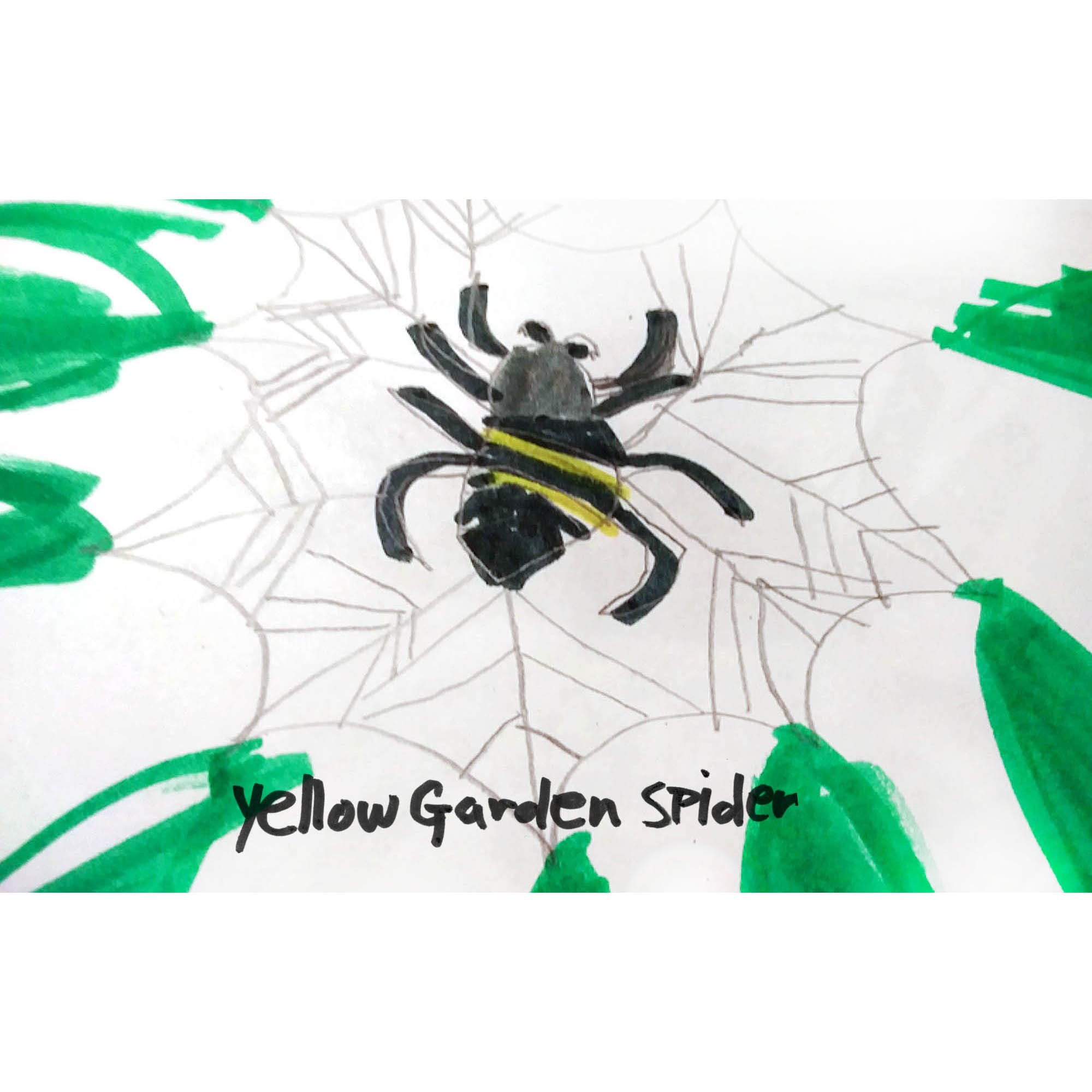
Yellow Garden Spiders have a shiny, egg-shaped abdomen that is yellow and black. It has a cephalothorax covered with short, silvery hairs. It has three claws on each foot, whereas most spiders only have two. The females are much larger than the males. The yellow garden spider is a carnivorous predator. Its intricate orb web captures aphids, flies, grasshoppers, mosquitos, wasps and bees. Though Yellow Garden Spiders have poor eyesight, they are good at feeling vibrations in their web, as well as air currents.
Hover Fly
by Harlow, Theo and Chloe
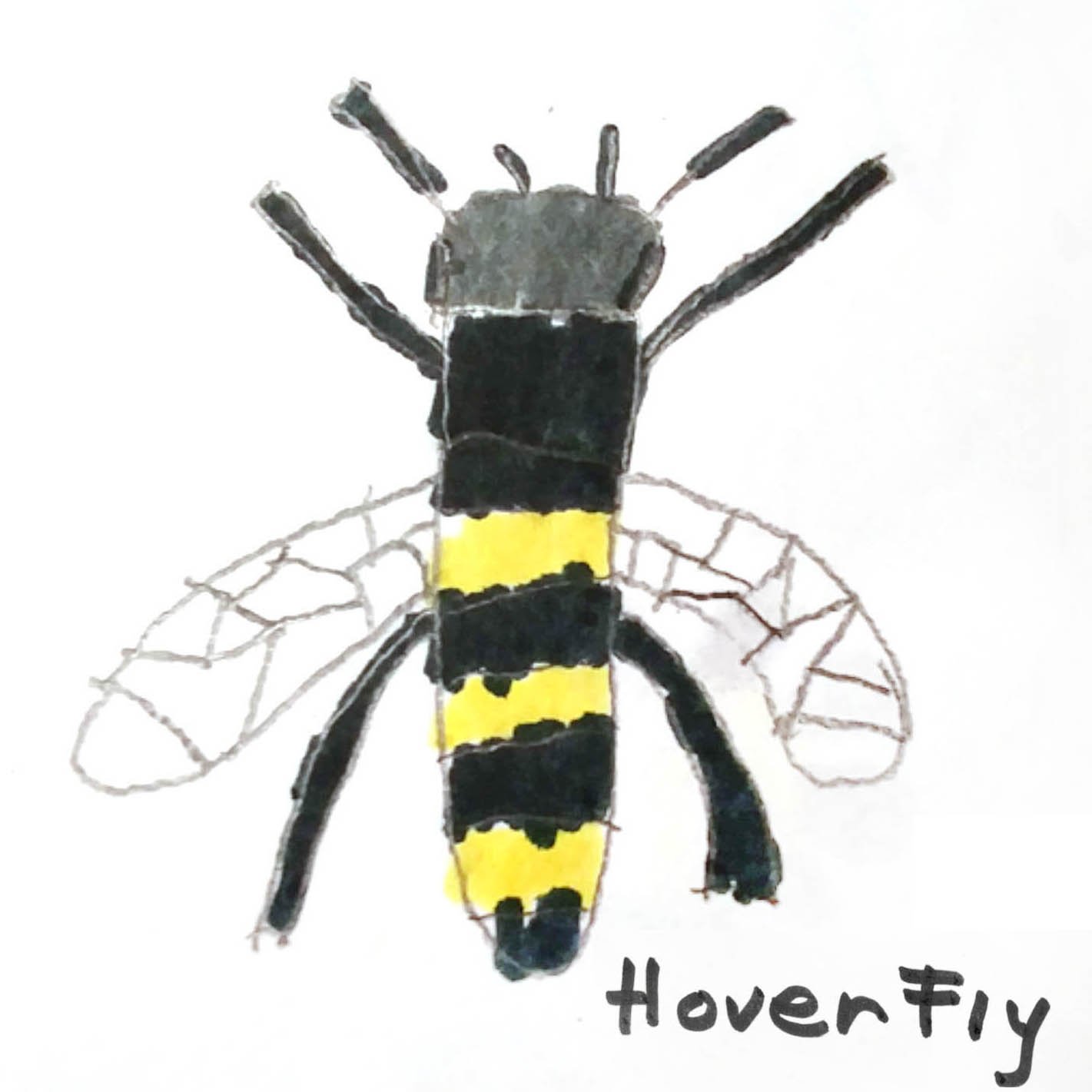
The Hover Fly has yellow stripes on its thorax and abdomen. It has a yellow spot on the tip of its abdomen, and its head is also yellow. It has large eyes. Its diet consists of nectar found in flowers. They also feed on nectar secreted by aphids. An interesting fact about Hover Flies is that, not only can they hover, they can even fly backwards! This is a rare capability in the insect world.
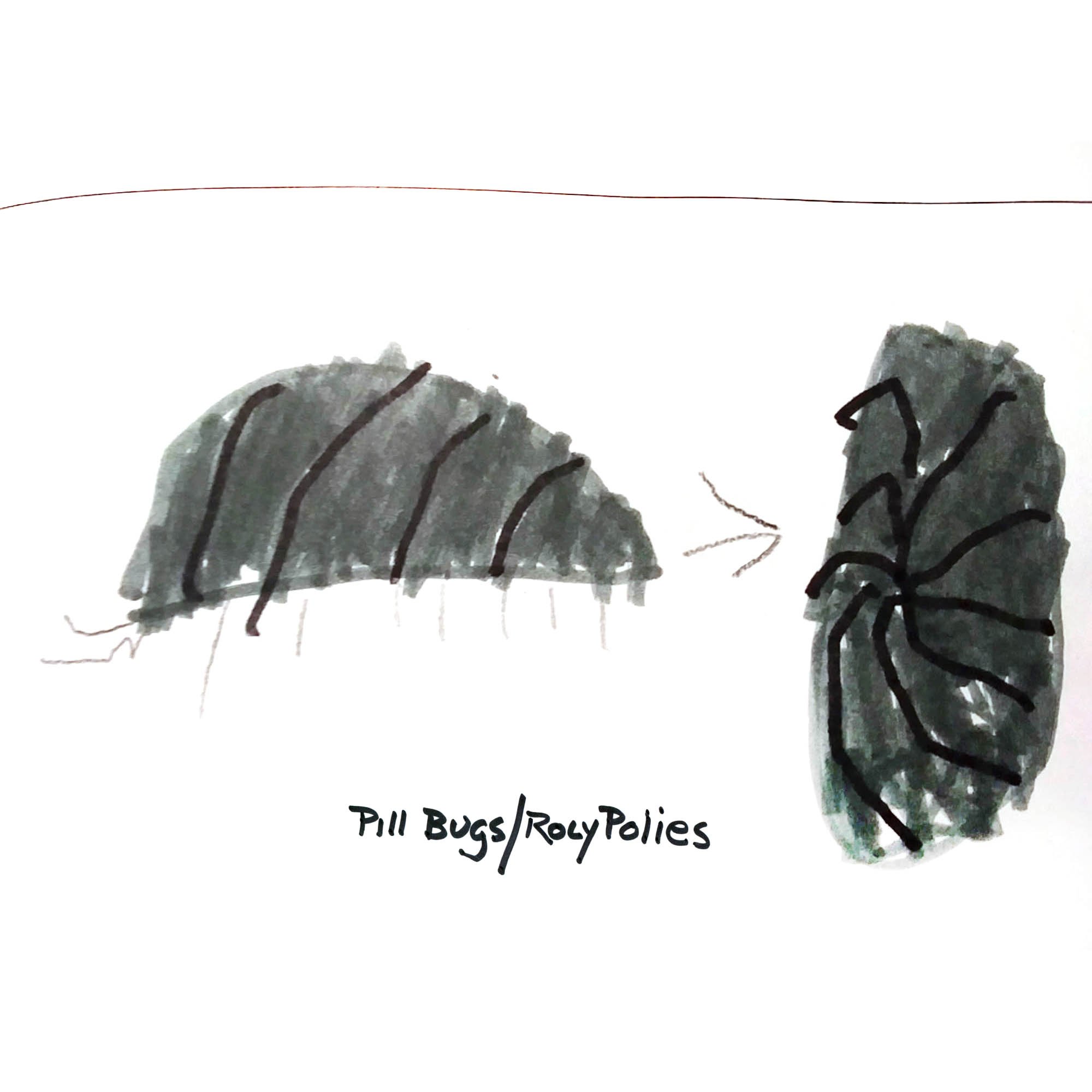
Pill Bugs/Roly Polies
by Avery and Wyatt
Roly Poly Bugs are gray and “segmented.” They are more closely related to crustaceans than insects! They are gray and have many legs. Pill Bugs are scavengers, eating decaying plants and other decomposing materials. They can usually be found in or under moist, rotting wood. “Conglobation” is the ability to roll into a ball as a defense mechanism, something that Roly Polies are known for.